

































































As the World Fixates on Iran, Extremist Settlers Ramp Up Attacks in the West Bank
As global attention focuses on the war with Iran, extremist Israeli settlers have stepped up attacks across the West Bank, killing and displacing Palestinians while police and military struggle to stop the violence.
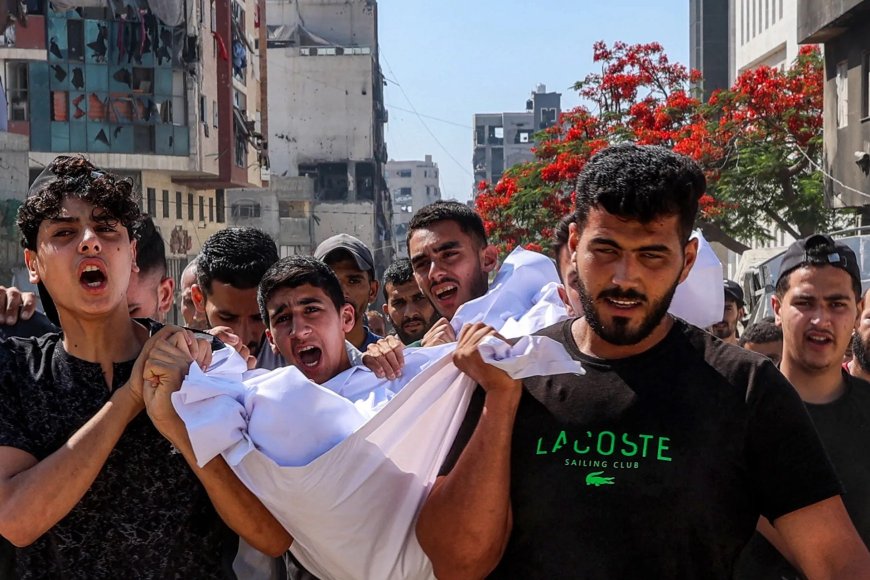
When the headlines turned to war with Iran, some extremist settlers in the West Bank treated the distraction like an invitation. In one of the worst attacks this spring, 28-year-old Amir Odeh was shot dead in Qusra while his father, Moatasem, was stabbed and left unconscious, a violent scene that neighbors say used to be fought off with stones but is now too dangerous because attackers routinely carry guns.
The list of incidents reads like a grim roll call: a man fatally shot trying to protect his family’s sheep in Deir Dibwan, another killed defending his village at Khirbet Abu Falah, and a reported sexual assault and brutalization of a family in the Jordan Valley. Villagers speak plainly: they feel helpless by night and unprotected by day.
From Feb. 28 to April 27, 13 Palestinians in the West Bank were killed in attacks, hundreds were injured, and 622 people were driven from their homes, according to United Nations humanitarian data. For the whole of 2025 so far, that data tallies roughly 15 deaths linked to settlers. Attacks have averaged nearly seven a day during the recent surge, and some online groups even catalog and boast about arson, uprooted orchards and damaged property.
The official response has been a study in bureaucratic shrugging and slow action. Police say they opened investigations into some major incidents and made a handful of arrests, including several suspects in a sexual-assault case and one army reservist linked to the Qusra killing, but also deny any surge without offering data. Human-rights monitors point out a harsh statistic: over two decades, about 93.6 percent of police probes into settler violence have ended without indictment.
The military, which is supposed to keep order as the occupying power, has repeatedly warned that settler attacks could spark a wider uprising. Yet soldiers on the ground often delay detaining suspects until police arrive, and commanders say some troops sympathize with settlers. The army insists failures are investigated and discipline is applied, while a top West Bank commander publicly pleaded for community leaders not to encourage the violence.
The government’s response has included a new Defense Ministry unit aimed at “at-risk youth” (think school and sports programs), plus more security gear for settlements, drones and off-road vehicles that are sold as defensive but frequently show up in harassment and raids. When an 18-year-old settler died in a traffic collision with a Palestinian driver, extremists immediately launched nighttime reprisals across villages, torching cars and homes while official investigations were still under way.
Leaders of the extremist fringe have grown less shy about their aims, framing raids as “self-defense” and arguing that provocation is a tactic to push Palestinians off land. Authorities and analysts estimate the core group driving terror might number in the hundreds to around 1,000, with similar numbers joining episodically, a small fraction of the roughly 700,000 settlers living in the West Bank, but loud enough and violent enough to hollow out communities. Meanwhile, political leaders oscillate between calling the culprits “a handful of kids” and promising action that arrives slowly, if at all.
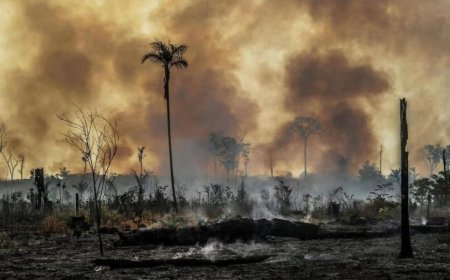
If distraction is the opening, the result has been predictable: promises, paperwork, and a lot of smoke, literal and bureaucratic. The people paying for those delays aren’t politicians or PR teams; they’re the families watching nightfall and wondering who, if anyone, will answer the door. When the world looks away, the damage moves in with the furniture.
What's Your Reaction?
 Like
0
Like
0
 Dislike
0
Dislike
0
 Love
0
Love
0
 Funny
0
Funny
0
 Angry
0
Angry
0
 Sad
0
Sad
0
 Wow
0
Wow
0