
































































Appeals Court Halts Mail-Order Abortion Pills, Turning Convenience into a Legal Maze
The Fifth Circuit reinstated an in‑person rule for mifepristone, pausing FDA mail-order access. Technology eased access; courts and state laws have complicated it, creating legal patchwork and uncertainty.
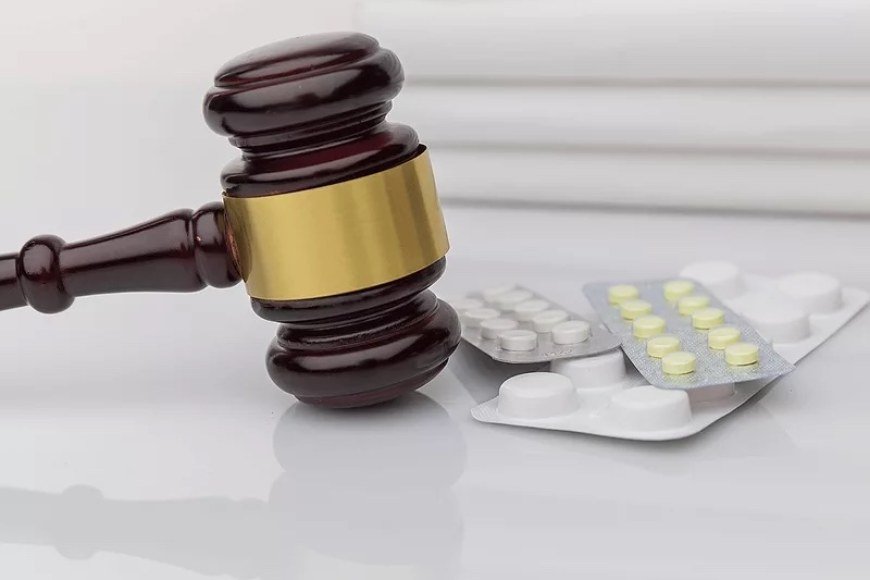
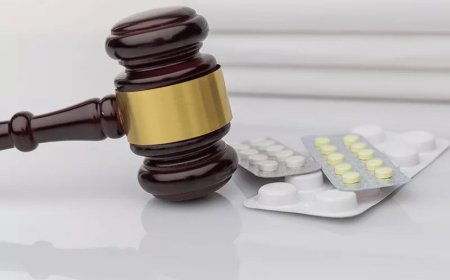
On Friday, an appeals court put a big paper clip on a small envelope: the Fifth Circuit temporarily reinstated a rule that mifepristone, the first pill in the two‑drug abortion regimen, must be obtained in person rather than shipped through the mail or dispensed via telemedicine and pharmacy pickup.
The order pauses a 2023 Food and Drug Administration change that had allowed health providers to send the drug by post, a move that had widened access to medication abortion, especially helpful in places where clinics are scarce. Now, access by mail is back on hold while the case proceeds, creating a confusing map for people trying to get care.
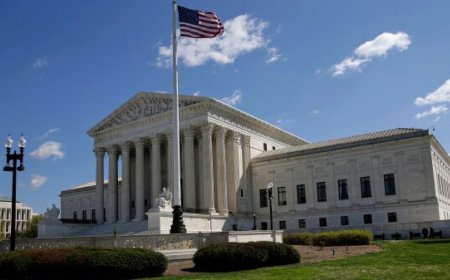
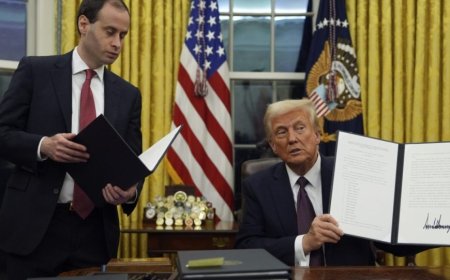
The lawsuit that prompted the order was filed by Louisiana. The appeals court said the FDA policy undercut Louisiana’s state law framing an unborn child as a legal person, and the decision will stand as the legal fight continues. The ruling also overrides a lower court pause that had been waiting on a separate FDA review ordered by the previous administration.
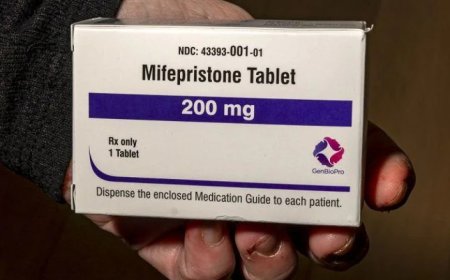
A quick refresher on the medication: mifepristone blocks progesterone, the hormone a pregnancy needs to continue, and is followed by misoprostol, which causes the uterus to empty. Mifepristone was first approved in the US in 2000 for early pregnancy, its authorized window was extended in 2016, and the FDA loosened in‑person rules during the COVID pandemic before making that change permanent in 2023. Public health groups call the drugs safe and effective, studies put the two‑pill regimen’s success at about 95% with serious follow‑up needed less than 1% of the time, and millions have used the medication over the past two decades.
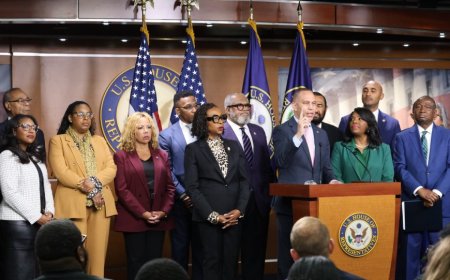
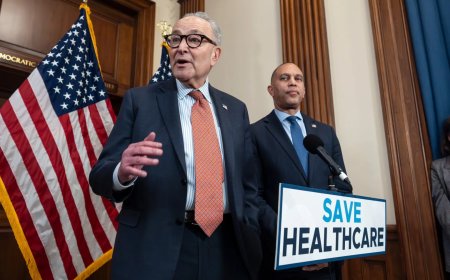
Predictably, reactions split along familiar lines. Louisiana’s attorney general welcomed the decision as vindication of state law; civil liberties advocates blasted it as out of step with science and precedent; New York’s attorney general said access in her state remains protected; and national anti‑abortion leaders hailed the move. None of that makes the logistics any simpler for patients or pharmacies caught in the middle.
This is where the technology angle gets tragically comic. Mail and telemedicine solved a real problem, distance, limited clinic availability, and pandemic risk, but also created three new ones: a patchwork of state rules that can turn a two‑day delivery into a legal impossibility, a climate of uncertainty that makes providers nervous about mailing medication, and a policy roller coaster that flips with court orders and administration reviews. In short, tech sped delivery; institutions applied the brakes.
So: the pill can be prescribed, shipped, approved by doctors, and tracked online, until a court handshake says otherwise. Until laws, regulators and courts find a steady groove, technology will keep promising convenience while politics keeps writing the shipping label.
Closing line: The future of mail‑order medicine may be speedy, but for now the legal system is still buffering, and everyone with a tracking number is holding their breath.
What's Your Reaction?
 Like
0
Like
0
 Dislike
0
Dislike
0
 Love
0
Love
0
 Funny
0
Funny
0
 Angry
0
Angry
0
 Sad
0
Sad
0
 Wow
0
Wow
0